AI‑supported onboarding tool for new team members
The following is a guest post from Davide Sacchetta, who recently completed the four-week online course on Applied AI (XD131).
I am an evaluator in a Canadian federal government organization. I am exploring how AI can be used responsibly to support evaluation work, while maintaining methodological rigour, transparency, and professional judgment.
Over the past month, I attended the course Applied AI provided by Exchange Design. In the following paragraphs, I will address two aspects: the insights I gained from attending the course and my experience developing an AI-based solution.
To begin with, I must admit that I joined this course with a degree of skepticism. This was likely the fourth or fifth AI-related course I have attended. Many AI courses tend to follow a similar pattern: they provide an overview of the technology behind LLMs and of the latest trends in the AI landscape but provide little structural guidance on how to actually use AI in practice. Fortunately, Applied AI proved my concerns unfounded. While the course does present students with an overview of the latest AI solutions available on the market, it also makes a deliberate effort to identify the underlying concepts and skills that AI users should develop in order to effectively leverage AI in both their professional and personal lives.
As the course title suggests, there is a strong emphasis on hands-on activities that allow students to experiment firsthand with what is currently possible using AI. I particularly appreciated the activities that challenged participants to move beyond using individual AI tools in isolation and instead combine them into automated, end-to-end workflows. This shift appears to be significant, as it points toward a future in which users collaborate with multiple AI agents as part of an integrated, cooperative team. From this perspective, AI is no longer merely a tool used to accomplish individual tasks. Instead, it becomes a collaborator with which users must learn to work effectively and efficiently in order to deliver complete projects.
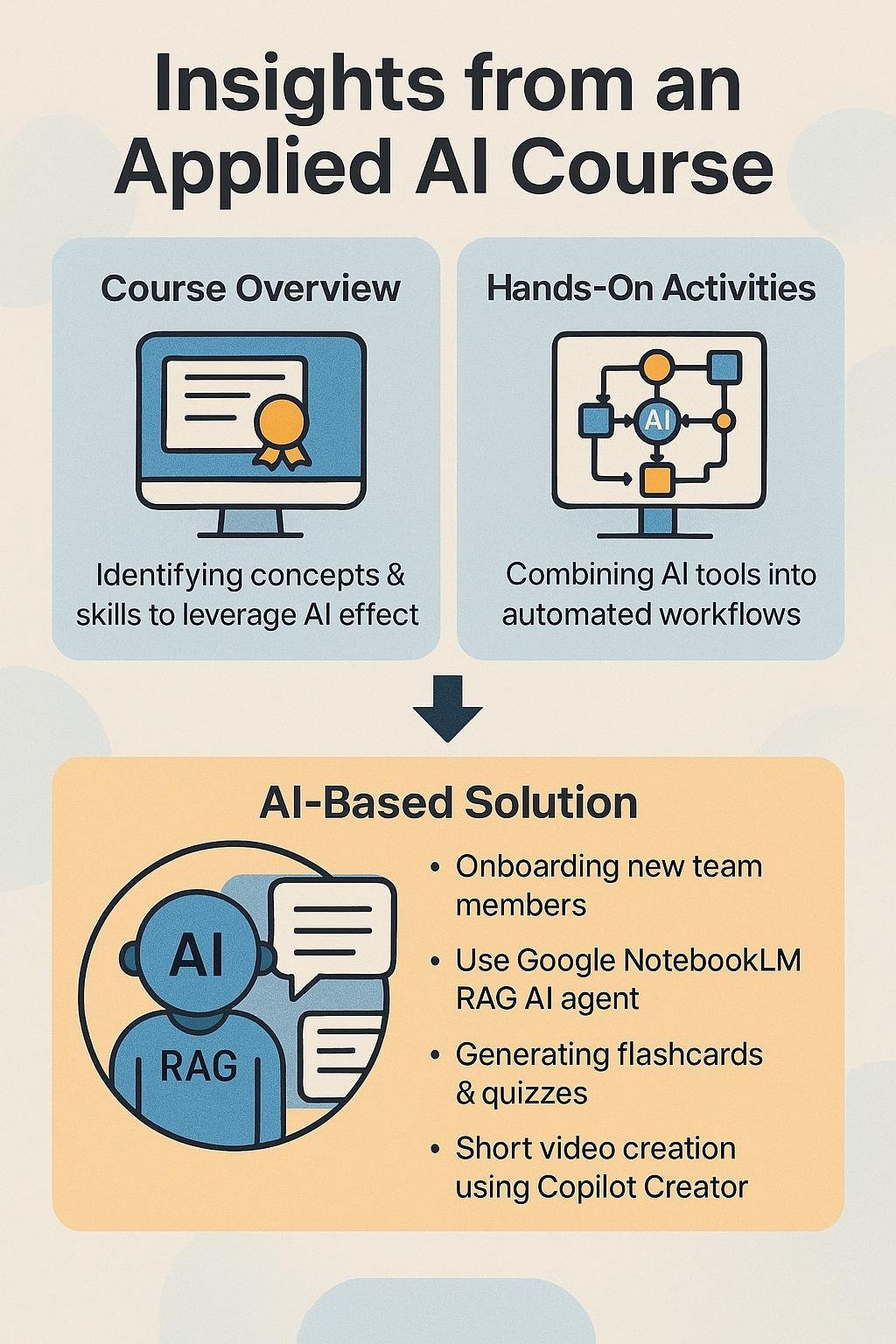
fig. 1, AI-generated infographic overview of final project
For the time being, I focused my efforts on a more modest application. Drawing on the knowledge gained during the course and the feedback provided by the trainer, I developed a tool designed to support the onboarding of future colleagues joining my team. Using Google NotebookLM, I created a RAG AI agent populated with publicly available documents. This agent allows new team members to ask questions about the team they are joining and receive informed responses, facilitating the onboarding process. In addition, I used NotebookLM to generate flashcards and quizzes to help users navigate this information. Finally, following the trainer’s suggestion, I used the tool to generate a script for a short corporate video introducing my team and its work, which I produced using Copilot Creator. The final outputs are far from perfect and are not yet suitable for real-world deployment. This is not surprising, given both the early stage of these AI solutions and the limited amount of time I was able to dedicate to this project.
Looking ahead, I would like to focus on understanding how individual AI tools and agents can be managed in automated workflows. At present, many of the available solutions feel unsafe and a bit finicky. Nonetheless, developing such workflows holds significant potential. Building on the foundation provided by this course, I see strong value in continuing to experiment with automation as a scalable application of AI in my role.